

We discuss the components of each payment method and how they differ. As you can see, whether or not a bill or invoice has been issued also impacts how to pay freelancers vs how to pay employees. A front desk representative at a hotel, for instance, would issue a bill upon guest checkout. The representative works for the hotel and is directly employed by them.
A Comprehensive Guide to Invoice Tracking
Remember what we said about bills typically requiring immediate payment while invoices typically provide a longer window for reimbursement? This is an important distinction, as it has a direct impact on the types of businesses that use an invoice vs bill. Invoices may be generated in a matter of seconds thanks to Moon Invoice’s automatic invoicing software! Using our pre-made invoice templates, you may invoice your customers more efficiently. Using our invoice generating software, you can customize your invoices to fit your industry and begin sending them to several customers at once. In invoice and billing, The amount of money owed by a consumer to a firm is known as a bill.

What is the difference between a bill and a purchase invoice?
Whereas an invoice outlines future payment obligations, a bill represents a completed transaction. Because bills are usually settled right away, they do not require extensive payment terms or reference numbers as invoices do. A bill and an invoice refer to the same document which conveys the amount owed as part of the business transaction. The difference is how it is perceived, depending on whether you are a seller or a buyer. An invoice asks the question, «Will you pay me?» A receipt answers with a definitive, «Yes, you’ve been paid.» This distinction is the core of accurate financial record-keeping. Every single deduction you claim, whether it’s for new software or a coffee meeting with a client, needs to be supported by a receipt.
Essential Bill Elements
- But when you receive them, you treat them as bills in your accounting system6.
- Estimates are preliminary quotes provided by sellers to potential buyers, estimates outline expected costs for goods or services.
- With fair policies, professionalism and an open dialogue, many issues can be resolved quickly.
- An invoice is a financial document requesting payment for goods or services provided.
- It handles all the compliance requirements, tracks everything automatically, and makes follow-up simple.
- Notably, cash payments have declined to 16% of all transactions by 2024, indicating a shift towards digital payment methods.
Examples of when invoices should be used include B2B sales, along with customer orders where payment is not immediately taken, e.g. landscaping or educational services. Bills also play a critical role in managing cash flow by helping businesses forecast their future payments and plan accordingly. Additionally, bills can serve as legal documents in case of disputes or discrepancies, protecting both the buyer and the seller. By including these key details, businesses can create professional and effective invoices that facilitate smooth transactions and maintain a strong financial record. When you receive a bill, it’s essential to check that the details are correct, including the amount owed, the payment terms, and applicable taxes or fees. It ensures your https://www.bookstime.com/ customers can pay you promptly and without any confusion.

It must also be numbered appropriately, using a specific invoice numbering sequence. Before explaining the differences between an difference between invoice and bill invoice and a bill, it’s important to understand how they’re both defined. An invoice is a document sent before payment, while a bill is sent after payment. So, whether you’re a solopreneur or a multinational corporation, mastering the art of invoicing is vital to keeping your business running smoothly. Late payments may incur penalties or interest charges, as specified in the payment terms of the invoice.
Invoices and Bills: Are They The Same?
Choosing between an invoice and a bill depends on your business needs. If you request payment for services or goods on credit, use an invoice. For example, freelancers or consultants https://deftergo.com/journal-vs-ledger/ might send an invoice to clients with payment terms like net 30. Invoices and receipts are similar—they serve as a record of sales and contain mostly the same information.

Check out Bookipi’s invoicing software and invoice template to simplify your invoicing process. In the world of business, the terms “bill” and “invoice” are often confused. Many people make the mistake of using the terms interchangeably, but their functions are very different. Understanding the differences between bills and invoices is important, especially for freelancers and small business owners who need to manage their finances effectively.
Common uses for invoices
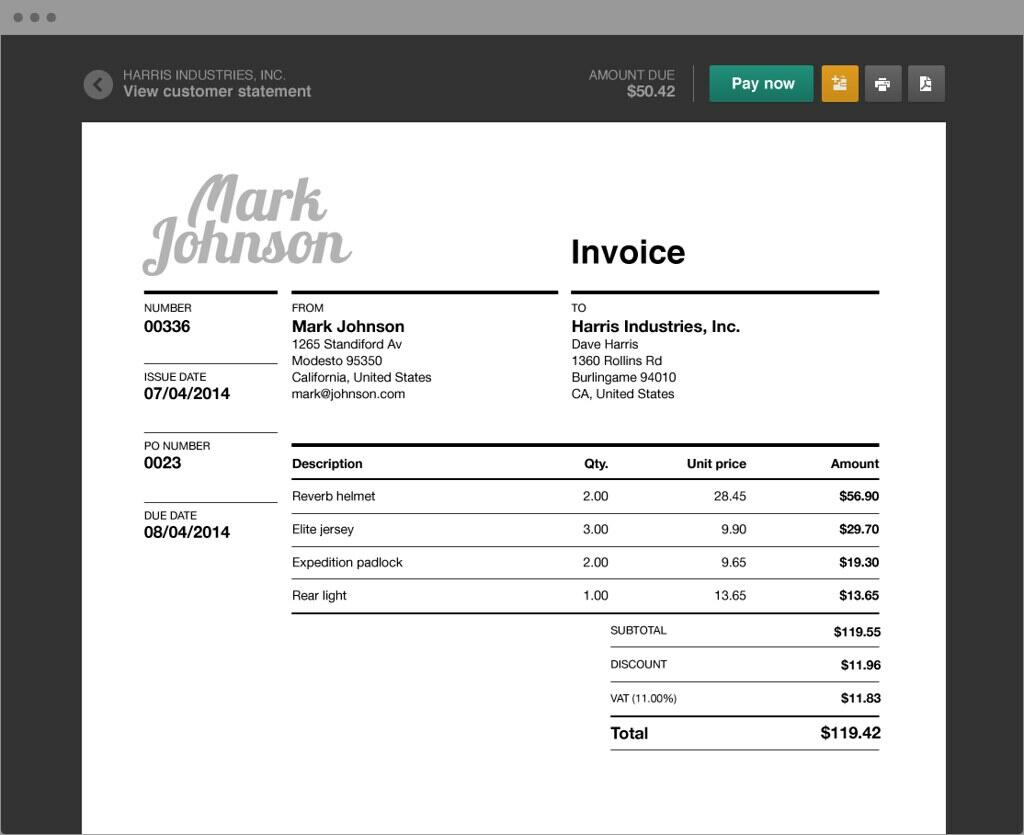
An invoice is easily confused with a bill of sale, but while they can be the same thing, they can also refer to different documents. An invoice is a document that requests payment for a product or service and includes information about the product and service rendered, its unit price, and a date by which payment is expected. Following the issuance of an invoice, clients are expected to pay for the products and/or services received. A bill of sale, on the other hand, is usually used to refer to a form that records the details of a transaction that already occurred. Invoices are essential for businesses of all sizes as they help companies to have better control over their cash flows, track sales, and maintain their financial books better.
